Tenzing Hillary Everest Marathon represents a tribute to the first successful summit of Mount Everest by Tenzing Norgay and Sir Edmund Hillary. This annual event has grown to attract runners globally, symbolising adventure and personal achievement as it is the world’s highest marathon!
Participants not only follow in the footsteps of legendary mountaineers but also experience the rich culture and stunning vistas of the Himalayas.
Here’s a detailed account of the Everest Marathon route and what participants can expect.
With the start of this race taking place at Everest Base Camp (EBC), you’ll need to book your race through an approved travel partner to help guide you to the starting point.
Travelling Fit is proud to be the official Australian sales representative for the Tenzing Hillary Everest Marathon and our Everest Marathon travel packages offer 3 different trekking options depending on which route you wish to take.
These treks take 12-14 days to complete depending on your route and include internal flights, guides, porters, meals etc..
Once the group arrives at Everest Base Camp, we’ll camp another 2 nights to acclimatise before taking on the race.
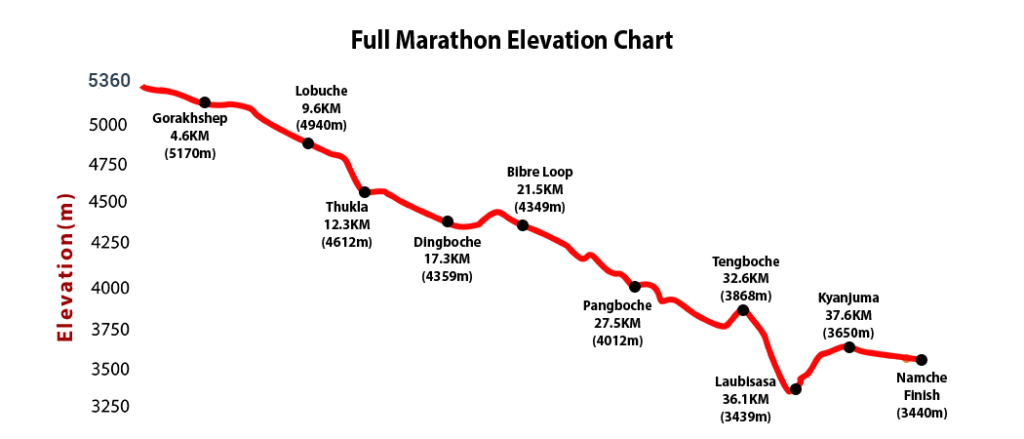
Approximately about 4.6km from EBC, the route descends to Gorak Shep, a frozen lake bed covered with sand, offering a slight respite but still situated 5,000 metres above sea level.
From here, the trail then leads to Lobuche, a small settlement providing stunning views of Pumori and other Himalayan giants.
This segment tests runners with its mix of rocky terrain and glacial moraine.
Upon completing this section, runners will have run just under 10km at this race stage.
At around the 12.3km mark with an altitude of 4,612m, runners will start crossing the Khumbu Glacier.
This section of the race is a highlight for many, presenting a surreal landscape of ice and snow.
Caution is a must, as the terrain here is unpredictable and requires careful navigation.
Descending from Thukla, the route to Dingboche reveals breathtaking vistas of Ama Dablam.
This part allows for a brief rest as runners enjoy a relatively easier path, crossing lush pastures.
As runners approach Dingboche (at 17.3km point), they are greeted by the rich culture of the Sherpa people.
The altitude of Dingbouche is 4,359m, approximately 1,000m lower than the EBC starting point.
From Dingboche, the journey takes a steep turn upwards towards the challenging Bibre Loop.
Here, athletes test their grit against sharp ascents, rewarded with panoramic views at the loop’s peak.
Descending from the loop, the path to Pangboche offers a momentary break with its smoother, downhill terrain.
Pangboche (27.5km) welcomes runners with its traditional Sherpa culture and warmth.
This stretch of the race is predominantly downhill but includes a steep ascent as runners close in on Tengboche, home to the famous monastery.
At 32.6km into the race, participant’s efforts are rewarded with one of the route’s most spectacular backdrops.
Tengboche is also home to the famous monastery and offers a spiritual reprieve, allowing runners to pause and reflect amidst the serenity of this sacred site.
The route through these villages introduces participants to the vibrant culture that thrives in the shadow of Everest.
From Tengboche, participants head towards Laublsasa (36.1km point of the race), encountering mixed terrain that tests their adaptability.
This is a steep descent with runners experiencing over 400m of elevation loss during this 3.5km stretch.
Known for its rhododendron forests, this section also adds a splash of colour to the challenge.
As runners leave Laublsasa, the path to Kyangjuma (37.6km) they tackle the last steep incline of the race.
While this section will challenge the fittest of participants, reaching the picturesque hamlet of Kyangjuma serves as a sign of progress, marking the nearing of the marathon’s end.
The final leg from Kyangjuma to Namche Bazaar is a triumphant return to civilisation.
Runners push through fatigue, cheered on by the vibrant spirit of Namche, as they cross the finish line in the heart of the Sherpa capital.
This concludes the total 42km of the full marathon course of the Tenzing Hilary Everest Marathon.
Source: Alltrails
Throughout the race, there are a series of checkpoints that are crucial for runners’ safety and well-being.
Starting from Everest Base Camp, the marathon route winds down to Namche Bazaar, crossing various landscapes.
The first checkpoint is at Gorak Shep, offering medical checks and hydration.
Lobuche, the next station, serves as a spot for energy replenishment.
Dingboche and Tengboche checkpoints follow, providing medical aid and moral support.
The final push towards Namche includes Phunki Tenga, ensuring runners are ready for the last leg.
These checkpoints are lifelines, equipped with essentials and emergency support, guiding participants through their challenging journey.
Are you ready to take on one of the most exhilarating and challenging marathons in the world?
Travelling Fit is the official Australian sales representative for this iconic event, has been helping adventurers from across the world conquer this race for over 16 years.
We offer exclusive packages that cater to every aspect of your Everest Marathon experience, ensuring a smooth preparation for the big day. Choose between:
All packages include:
We also offer these packages for the Tenzing Hillary Everest Half Marathon and Ultra Marathon.
Check out our event pages to learn more or contact us today to speak with a member of our friendly staff!
The Tenzing Hillary Everest Marathon is not just a race; it’s an extraordinary adventure that takes participants through some of the most breathtaking and challenging terrains on Earth.
One of the defining features of this marathon is its elevation profile, which makes it one of the highest and most demanding races in the world.
Here’s a detailed account of the elevation profile and what participants can expect.
From the starting point at Everest Base Camp (5,364m/17,598ft) to the finish line at Namche Bazaar (3,440m/11,286ft), participants will experience a total elevation descent of approximately 1,924 meters (6,312 feet).
Source: Alltrails

Preparation is key for the Everest Marathon, given its extreme conditions. Here’s a curated list of gear and clothing essentials to ensure safety and comfort throughout the race:
Successfully completing the Tenzing Hillary Everest Marathon requires a specialised training approach. Here are key strategies to prepare both physically and mentally for the challenge:
Spend time at high altitudes if possible, to adapt your body to lower oxygen levels. Incorporate stair climbing and hill repeats in your training regimen to simulate elevation gains.
Long runs are essential. Gradually increase your distance to build stamina. Back-to-back long runs mimic consecutive days of trekking and running in the Himalayas.
Focus on lower body strength for uphill climbs and stability. Core exercises improve balance on uneven terrain.
Practice mindfulness and visualisation techniques to mentally prepare for the marathon’s demands. Engage in backcountry running or hiking to familiarise yourself with remote conditions.
Experiment with nutrition and hydration strategies during training to find what works best for you at altitude. Learn to recognise signs of dehydration and altitude sickness.
Are you ready to take on one of the most exhilarating and challenging marathons in the world?
Travelling Fit is the official Australian sales representative for this iconic event, has been helping adventurers from across the world conquer this race for over 16 years.
We offer exclusive packages that cater to every aspect of your Everest Marathon experience, ensuring a smooth preparation for the big day. Choose between:
All packages include:
We also offer these packages for the Tenzing Hillary Everest Half Marathon and Ultra Marathon.
Check out our event pages to learn more or contact us today to speak with a member of our friendly staff!
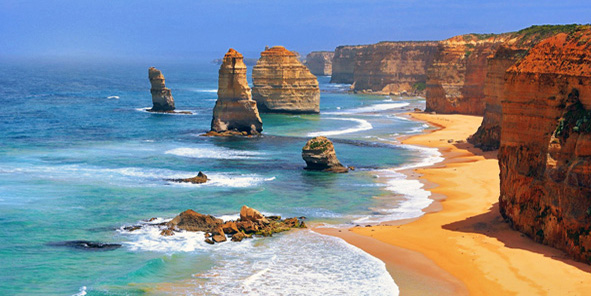
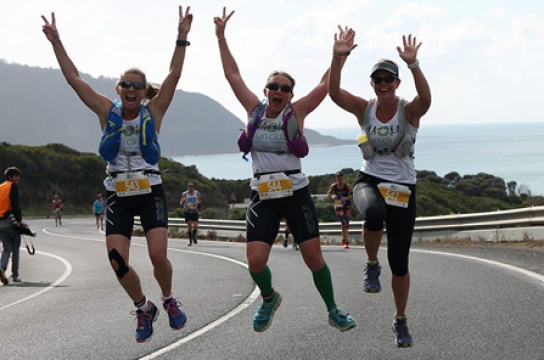
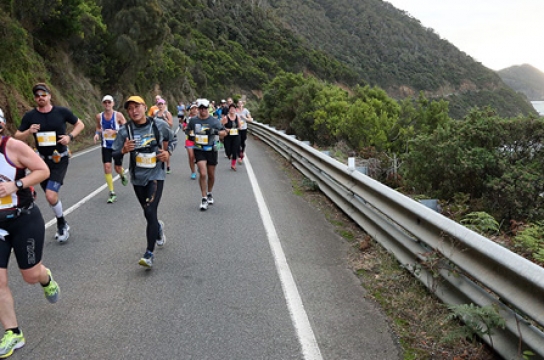
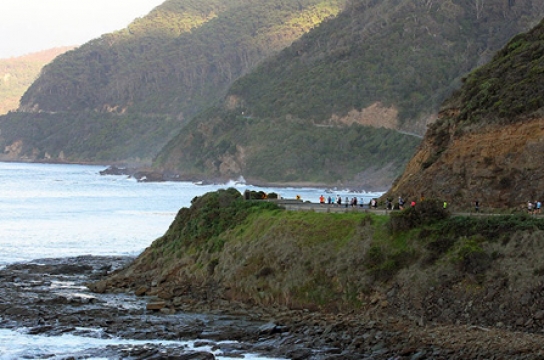
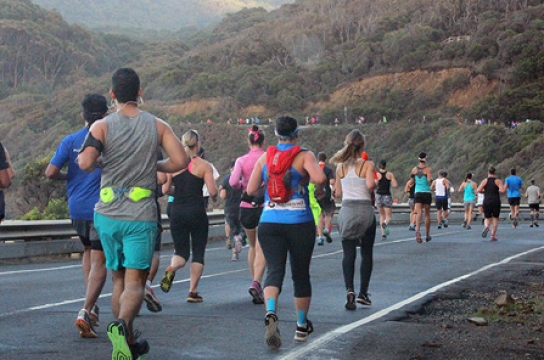
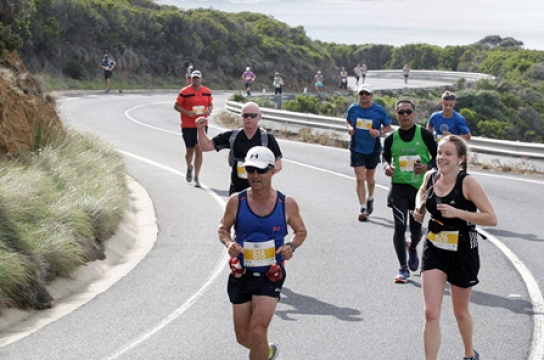
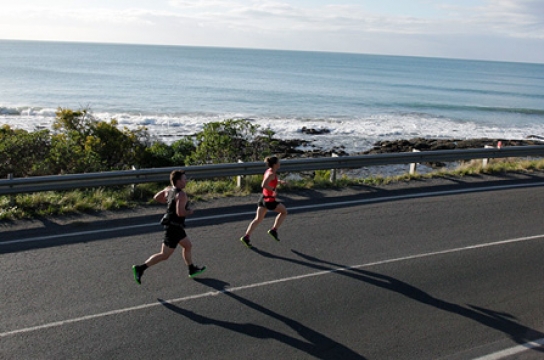
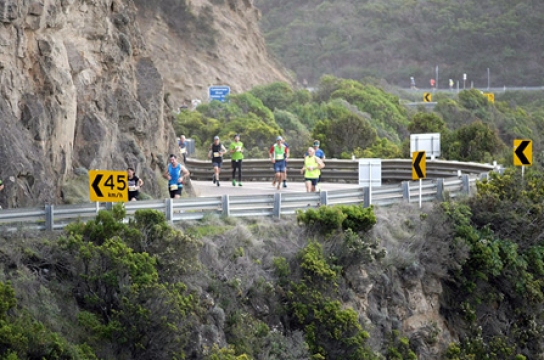
The Great Ocean Road Marathon is a race that promises not just a challenge, but an unforgettable journey along one of the world’s most scenic coastal routes.
Known for its breathtaking views, diverse terrain, and vibrant community spirit, this marathon offers more than just a typical race—it’s an opportunity to immerse yourself in one of Australia’s most iconic attractions.
Our team at Travelling Fit have organised Great Ocean Road Marathon travel packages since 2017 and knows all there is to know about this historic race.
Keep reading our guide to learn all of the important race information for this event.
2024 Date | May 19th, 2024 |
Total Participants | 1,500 |
Registration Cut Of Date | Tuesday 30 April 2024 5pm or unless sold out prior |
Required Qualifying Time | N/A |
Race Type | Distance |
Ultra Marathon | 60 km |
Marathon | 44 km |
Half Marathon | 23 km |
Paradise Run | 14 km |
The Great Ocean Road Marathon has an elevation gain of around 488 metres (this can change slightly depending on the year).
The starting elevation is 17 metres above sea level and the race’s maximum elevation level is around 67 metres.
Check out the graph below for more specific information about the race’s elevation changes.
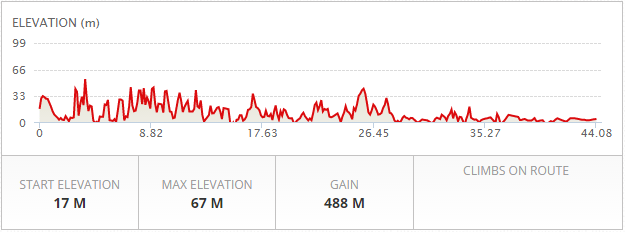
The Great Ocean Road Marathon starts at the Lorne SLSC Car Park, greeting runners with gentle inclines and declines, setting a calm pace for the initial 6km. This relatively flat section allows participants to find their rhythm and soak in the coastal ambience before the landscape shifts.
As runners approach the 6-7km mark, a steep descent ushers them towards Cumberland River Beach, introducing the first significant challenge. At the 7km point, the serene beach marks the beginning of three demanding ascents that will test resilience and strength. Over the next 2.5km, participants face a rigorous 54-metre elevation gain, culminating at the Mount Defiance lookout. Here, runners can steal a moment to enjoy the panoramic views before a steep descent leads them to the 11km marker.
The journey from 11km to 22.5km unfolds over undulating hills, less intense but equally engaging, as the route curves along the coast. The picturesque town of Wye River greets runners at the 16.5km mark, offering a scenic change and community cheer.
Beyond Wye River, a 5.5km stretch leads to Kennett River, the starting point for the second challenging climb. Over 2.2km, athletes ascend 44 metres, navigating a steep path before an 800-metre descent provides brief respite. But the relief is short-lived, as the third and final major ascent looms, guiding runners up to the Cape Patton lookout. This nearly 2km climb peaks at 67 metres above sea level, rewarding runners with breathtaking views and the satisfaction of conquering the highest point of the race.
From Cape Patton, a steep descent brings the weary but determined to Carlsbrook Creek. Though energy may wane, the route eases as runners set their sights on Apollo Bay, visible in the distance. The final 10km stretch features milder, rolling hills, maintaining the marathon’s character while offering glimpses of the approaching finish line.
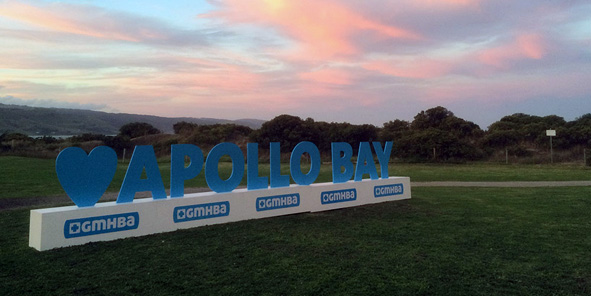
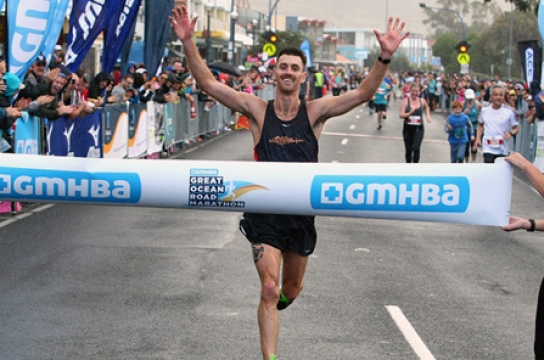
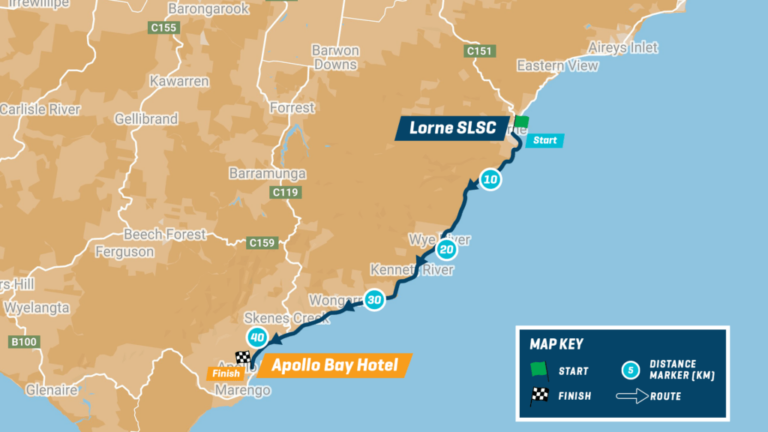
As participants enter the final leg, the town of Apollo Bay welcomes them with open arms, marking the end of a remarkable journey at the Apollo Bay Hotel. Runners cross the finish line with a sense of accomplishment, having navigated the scenic and challenging course of Australia’s Great Ocean Road, marking the end of a memorable marathon journey.
Check out the map below to see the route for the marathon.
The Great Ocean Road Marathon, known for its stunning coastal views, presents a unique set of challenges that may affect its difficulty level for different runners. The course’s difficulty can be attributed to several factors, including its undulating terrain, variable weather conditions, and the cumulative elevation gain.
For seasoned marathoners accustomed to varied terrains and elevation changes, the Great Ocean Road Marathon may present an enjoyable challenge. For newcomers or those less accustomed to hilly courses, it may prove more demanding. Proper training, particularly focusing on hill runs and long-distance endurance, can help prepare all runners for this unique event.
Ultimately, while the Great Ocean Road Marathon poses certain challenges, its difficulty is subjective and varies based on individual experience, preparation, and resilience. With the right training and mindset, participants can tackle this scenic course and enjoy all the beauty and accomplishment it offers.
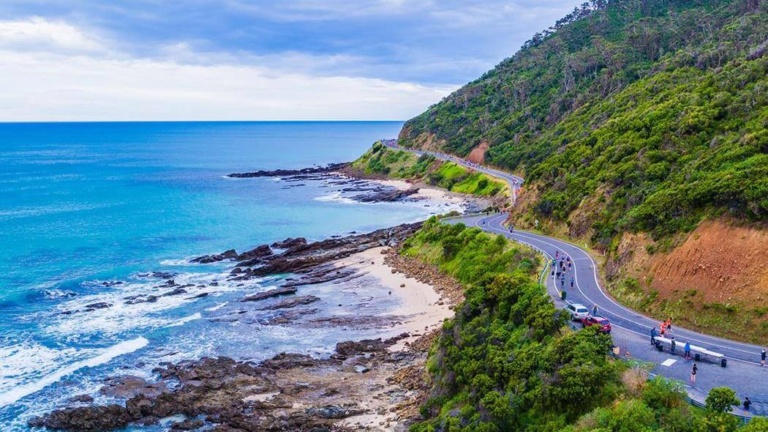
There will be 12 drink stations throughout the Great Ocean Road Marathon Course.
Water will be provided on the course as well as Science in Sport Drinks.
Distance | Items Provided |
Start Line | Water |
2.5km | Water |
5km | Water |
10.7km | Water / Science in Sport drinks |
15.4km | Water / Science in Sport drinks |
21.8km | Water |
26.6km | Water |
31.1km | Water / Science in Sport / Jelly beans |
36.2km | Water / Science in Sport / Jelly beans |
39.4km | Water / Science in Sport drink / Jelly beans |
43.1km | Water / Science in Sport drink / Jelly beans |
Finish Line | Water / Science in Sport drink / Bananas |
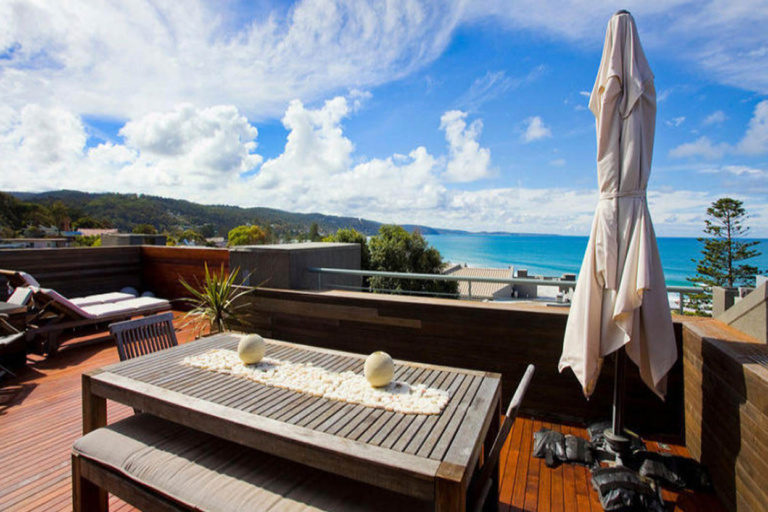
For participants of the Great Ocean Road Marathon looking for a comfortable and convenient place to stay, Cumberland Lorne Resort is an excellent option and is included in our Great Ocean Road Marathon travel packages.
This beachfront resort is renowned for its spacious and modern apartments, each featuring a private balcony, outdoor furniture, and a corner spa bath, along with full kitchen and laundry facilities.
It’s positioned directly across from Louttit Bay, nestled among Lorne’s vibrant restaurants and boutiques, offering stunning views and a friendly atmosphere.
Training for the Great Ocean Road Marathon requires a well-rounded approach, focusing on endurance, strength, and mental preparedness. Here are essential training tips to help you prepare for this unique and challenging event:
Start your training with a solid base of mileage and gradually increase your long runs. Incorporate weekly long runs into your regimen to build stamina, ensuring you’re comfortable running for extended periods.
Given the race’s undulating terrain, hill training is crucial. Include hill repeats in your weekly training to improve strength and endurance in your legs. This will prepare you for the marathon’s steep ascents and descents.
Engage in cross-training activities such as cycling, swimming, or strength training. This can enhance your overall fitness, reduce the risk of injury, and provide a mental break from running.
Familiarise yourself with the marathon’s elevation profile and plan your race pace accordingly. Practice running at your planned marathon pace, especially on hillier routes, to understand how the course’s varying elevations will affect your speed.
Experiment with different hydration and nutrition strategies during your long runs to find what works best for you. Understanding your body’s needs will help you plan effectively for race day.
Visualise the course and your race strategy. Mental resilience is key, especially for tackling the marathon’s challenging sections. Practice positive self-talk and stress-reduction techniques to keep your mind focused and calm.
Incorporate rest days and taper your training in the weeks leading up to the marathon. Prioritise sleep and recovery to ensure your body is well-rested and at peak condition for race day.
Try to simulate race day conditions during your training, including starting your long runs at the same time the race begins. This helps your body adjust to the timing and conditions you will face.
By following these training tips and preparing both physically and mentally, you’ll be well-equipped to tackle the Great Ocean Road Marathon’s unique challenges and enjoy the stunning scenery along the way.
We offer 3-day / 2-night Great Ocean Road Marathon travel packages that take the stress out of organising logistics for this event.
We can secure 1-3 bed rooms with either an ocean or garden view depending on budget and needs.
Check out our marathon, ultra-marathon and half marathon packages to learn more!
Imagine running through open savannahs and valleys, all while being surrounded by some of Africa’s most iconic wildlife.
The Big Five Marathon, named after the iconic Big Five (lions, leopards, elephants, rhinos, and buffaloes) offers a perfect opportunity to do this.
Set in the breathtaking landscapes of the Entabeni Game Reserve, this Marathon offers more than a physical challenge; it’s a journey through one of Africa’s most spectacular game reserves.
Established in 2005, the Big Five Marathon has grown into an iconic event for running enthusiasts and adventure seekers from all corners of the globe. Unlike any other marathon, participants run through territories that are usually reserved for the untamed residents of the African savannah.
The course promises not just a test of endurance but also a rare opportunity to encounter some of the world’s most majestic animals in their natural habitat.
Safety is paramount, with the race path closely monitored by helicopters and armed rangers to ensure a secure experience for all runners.
2024 Date | 15th June 2024 |
Total Participants | 130 |
Registration Cut Of Date | 28 May 2024 or until sold out |
Required Qualifying Time | Not Applicable |
The entry fee for the Big Five Marathon is incorporated into the price of the travel package you choose and cannot be purchased independently.
Entry fees vary, with Travelling Fit providing comprehensive Big Five Marathon packages that include guaranteed race entry, accommodation, guided safari tours, and more, starting from a competitive price point of $5,011 per runner twin share.
Our packages not only offer multiple game drives for close encounters with wildlife but also include the option for an extended stay with three additional travel packages:
Race Type | Distance |
Marathon | 42.195 km |
Half Marathon | 21.1 km |
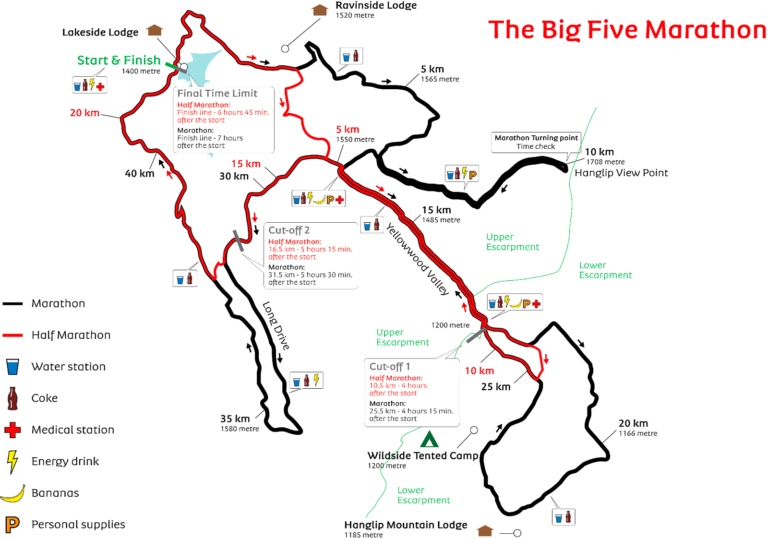
The initial stretch leads runners past the serene Ravineside Lodge and the imposing Entabeni Monolith, setting the stage on red sand dirt roads that wind through the lower plateau.
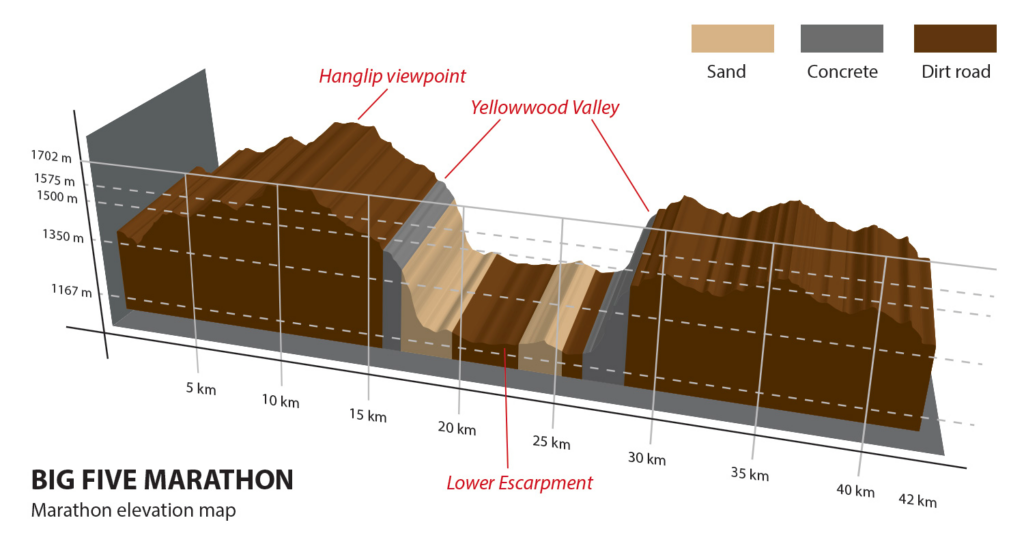
At about the 10km mark, you’ll reach Hanglip Viewpoint, the highest point of the race at 1,702m.
From here, you’ll start to backtrack and run towards the peak of Yellowwood Valley with the terrain becoming uneven with loose rocks, pebbles and holes.
The true test starts around the 14km mark when the steep descent into the Yellowwood Valley commences. While it is paved, this 3.2km long decline has a 42% gradient and will be the biggest quad burner of your life!
Getting to the bottom of the valley will provide a brief sense of relief once you reach the flatness of the valley however this relief is short-lived.
The next 9km loop is almost 100% deep sand which tests even the most seasoned marathon runners.
On top of this, at the completion of the 9 km loop, you are then required to go back up the same 3.2km hill at around the 26km mark.
This brutal ascent is virtually impossible to run, and it is recommended to take this section slowly.
Once you’ve reached the top, congratulations, you’ve just completed one of the hardest 16km we’ve ever tackled in a marathon!
From here, you’ll be grateful for the dirt trails for the next 6km as you run a loop through a narrow valley called Long Drive.
Once completed, the final part of the race is fairly hard but offers a wonderful view out over the plateau’s lake.
You’ll traverse up and down a couple more hills with the surface being quite poor again, consisting of hard uneven stony ground, large rocks and a loose surface.
While you’ll definitely be very fatigued by this point, it’s important you concentrate on the ground ahead of you to ensure you don’t injure yourself.
Eventually, this terrain will pass and you’ll be greeted with the finish line.
When you make it to this point, you’ll feel an extreme sense of achievement, knowing you’ve just completed one of the most challenging and picturesque marathons in the world!
Highest Point | 1,702 metres / 5,584 feet |
Lowest Point | 1,167 metres / 3,829 feet |
Largest gradient | 42% |
Entabeni Game Reserve is a private reserve located in the Waterberg region of Limpopo Province, South Africa.
Spanning 220 km², it’s known as the “place of the mountain” and offers a diverse range of habitats and is home to a variety of wildlife, including the iconic Big Five (lions, elephants, giraffes, leopards, and buffalos), as well as warthogs, cheetah’s, and hippopotamus.
The reserve is celebrated for its scenic beauty, big game viewing opportunities, bird watching, and being in a malaria-free zone.
The closest major cities to Entabeni Game Reserve are Johannesburg and Pretoria, located less than a 3-hour drive away, making it an accessible destination for both local and international visitors seeking an authentic safari experience.
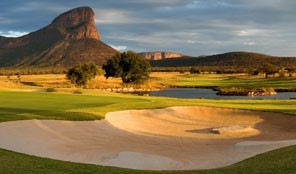
Nestled within the Entabeni Safari Conservancy in Limpopo, the Legend Safari Resort offers a unique blend of luxury and wilderness.
This resort is known for its peacefulness and the rich cultural legacy of Africa, providing guests with an immersive experience surrounded by vivid African bush.
The resort features an 18-hole signature golf course, a luxury estate, and various other facilities on a Big 5 Game Reserve.
Inclusions:

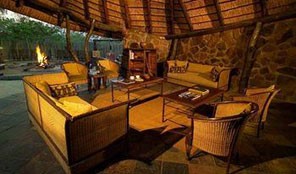
Lakeside Lodge, positioned on the upper escarpment, provides guests with an ideal setting overlooking the lake.
This serene location offers a perfect blend of comfort and natural beauty, making it a perfect retreat for those looking to escape into nature.
Inclusions:
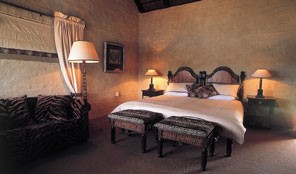
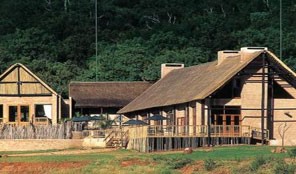
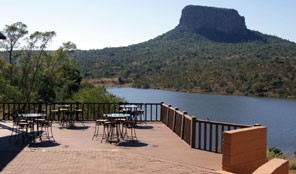
Located on the lower escarpment of the Entabeni Game Reserve, Wildside Tented Camp offers an authentic safari experience.
This camp allows guests to stay in close contact with the wilderness, with luxury tents that provide both comfort and a sense of adventure.
Inclusions:
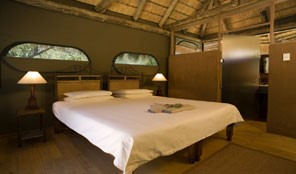
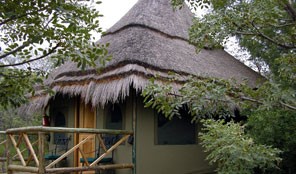
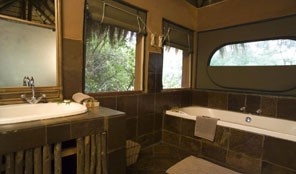
The climate is dry and generally sunny in June with daytime temperatures typically hovering between 15 and 25 degrees Celsius.
Due to the elevation changes and potential wind changes throughout the race, the temperature may fluctuate throughout the race.
It’s also important to be aware that mornings and evenings can feel quite chilly. Night-time temperatures average around 6 degrees Celsius.
Preparing for the Big Five Marathon presents unique challenges and requires a specialised approach to training.
Given the distinct terrain, potential wildlife encounters, and the marathon’s location within a game reserve, here are some training tips tailored for this unparalleled race.
The Big Five Marathon’s course encompasses dirt tracks, rocky paths, and even sandy stretches.
Incorporating trail running into your training regime can help acclimate your body and mind to the unpredictable nature of the terrain.
Focus on building stability and strength in your ankles and legs to navigate uneven surfaces confidently.
The course is known for its challenging elevation gains and losses.
Include hill repeats and long runs on hilly routes in your training plan to build the necessary leg strength and cardiovascular endurance.
Practising on inclines will also help you develop a strategy for tackling the hills efficiently on race day.
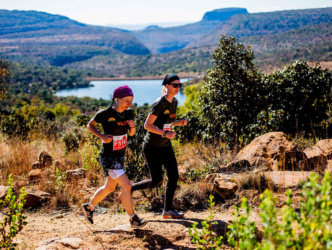
The Marathon typically kicks off early in the morning.
This timing is chosen carefully to balance the need for cooler temperatures against the likelihood of wildlife activity.
Runners should prepare for an early start, which allows for the enjoyment of the savannah’s beauty as the sun rises, casting golden hues across the landscape.
The Big Five Marathon takes place in a game reserve, meaning there’s always a chance of encountering wildlife.
Safety measures are paramount, with rangers, helicopters, and vehicles ensuring the route is secure and participants are safe at all times.
The presence of wildlife adds an exhilarating element to the race, but it also means there could be unexpected delays.
Runners are briefed on how to behave if they encounter animals and are always kept at a safe distance.
Throughout the course, aid stations are strategically placed to offer hydration and nutritional support to the runners.
These stations supply water, electrolyte drinks, and sometimes light snacks to help maintain energy levels.
Discover the adventure of a lifetime with our Big Five Marathon travel packages.
Our packages not only guarantee entry but also offer a hassle-free travel experience, with accommodation, transportation, and exclusive tours all arranged for you.
If you have any questions, don’t hesitate to contact us to speak with one of our friendly team members
Imagine a marathon where the challenge of 42.2 kilometres is sweetened with the flavours of Bordeaux’s finest wines.
This race is not just about endurance but also a gastronomic and culinary experience mixed with a route that highlights the area’s scenic beauty.
The Marathon du Medoc redefines the very concept of a marathon.
Set against the picturesque backdrop of France’s renowned winemaking region, this unique race invites participants to dress up, drink up, and celebrate in the camaraderie of fellow runners and wine enthusiasts.
Scheduled for 7th September 2024, the Marathon du Medoc stands out with its inclusive spirit.
8,500 participants will embark on a course that takes them through historic chateaux and lush vineyards, complemented by a range of gourmet drinks and snacks along the way.
This is so much more than a race.
It’s a festival on the move, celebrating the joy of running, the art of wine, and the beauty of Bordeaux.
2024 Date | 7th September 2024 |
Total Participants | 8,500 |
Registration Cut Of Date | 21 June 2024 or until sold out |
Required Qualifying Time | N/A |
Race Type | Marathon (42.2km) |
Entries for the Marathon du Medoc are included and guaranteed when you book your trip through Travelling Fit. We offer comprehensive travel packages that cater to every need, ensuring you enjoy a hassle-free experience focused on the Marathon du Medoc and the pleasures of Bordeaux.
Our 4-day / 3-night and 5-day / 4-night packages Include a range of tour options and perks exclusive to Travelling Fit clients.
Packages start from $2,107 with a guaranteed entry to the race. Check out our Marathon du Medoc Marathon travel packages to learn more.
Your journey begins in the charming town of Pauillac, nestled along the scenic banks of the Gironde estuary.
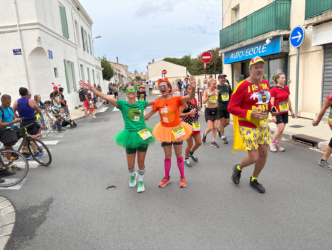
As you set off from the starting line, the festive atmosphere is unmistakable, with runners dressed in creative costumes, embodying the marathon’s spirit of fun and cheerfulness.
Pauillac, renowned for its prestigious wineries, sets the stage for an unforgettable race.
As you leave Pauillac behind, the route takes you through a variety of vineyards, showcasing some of the region’s most renowned wine estates, including Château Lafite Rothschild and Château Latour.
This part of the marathon provides peaceful scenery and a chance to sample some of the best wines in the area, blending the physical challenge of the race with a touch of gastronomic pleasure.
Halfway through, the route leads you to several historic chateaux, which are emblematic of the area’s deep-rooted history.
As you run past landmarks like Château Pichon Longueville and Château Beychevelle, you’ll get a brief glimpse into their elegance and the rich tales they embody.
This segment of the marathon bridges history with the present, gradually drawing you into the essence of Médoc’s celebrated wine legacy.
This section is a runner’s paradise, offering serene views and the unique opportunity to taste world-class wines and food, turning the marathon into a unique blend of athletic challenge and culinary enjoyment, making it a distinctive experience for runners.
From gourmet food stands to wine-tasting booths, these stops are more than just rest points, they’re where the spirit of the marathon truly comes to life.
Here, amidst the laughter and music, you’ll feel the warmth of the Médoc community, cheering you on and sharing in the joy of the event.
The route eventually circles back to Pauillac where crowds of locals and spectators will be waiting to cheer you home.
Crossing the finishing line gives runners a bit of a different feeling of satisfaction compared to standard marathons. While you may not have broken your PB, you’ll be smiling ear to ear at the uniqueness of the event and the experiences you just gained.
Check out the map below to see the route for the marathon (subject to change )
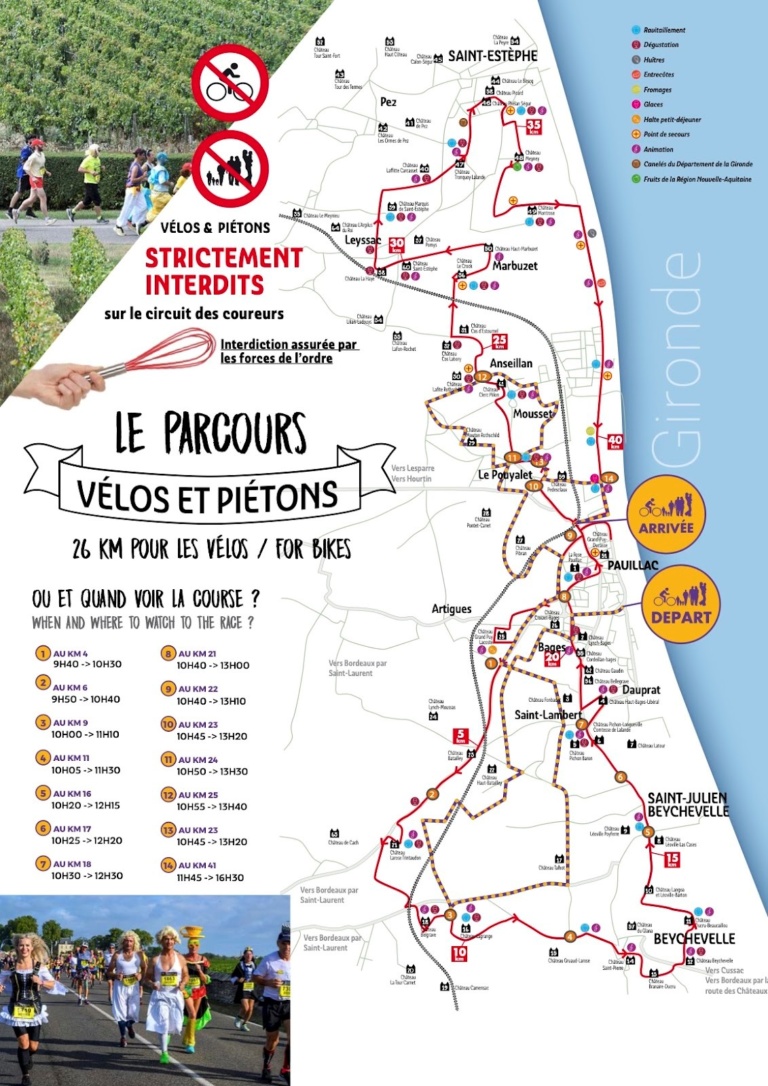
The theme for the 2024 Marathon du Medoc is “Faites vos Jeux”, meaning “Make Your Games!”.
Pull out your imaginative costumes and embrace the playful spirit of the games.
Participants are encouraged to express themselves creatively, adding an extra layer of excitement and camaraderie to the race.
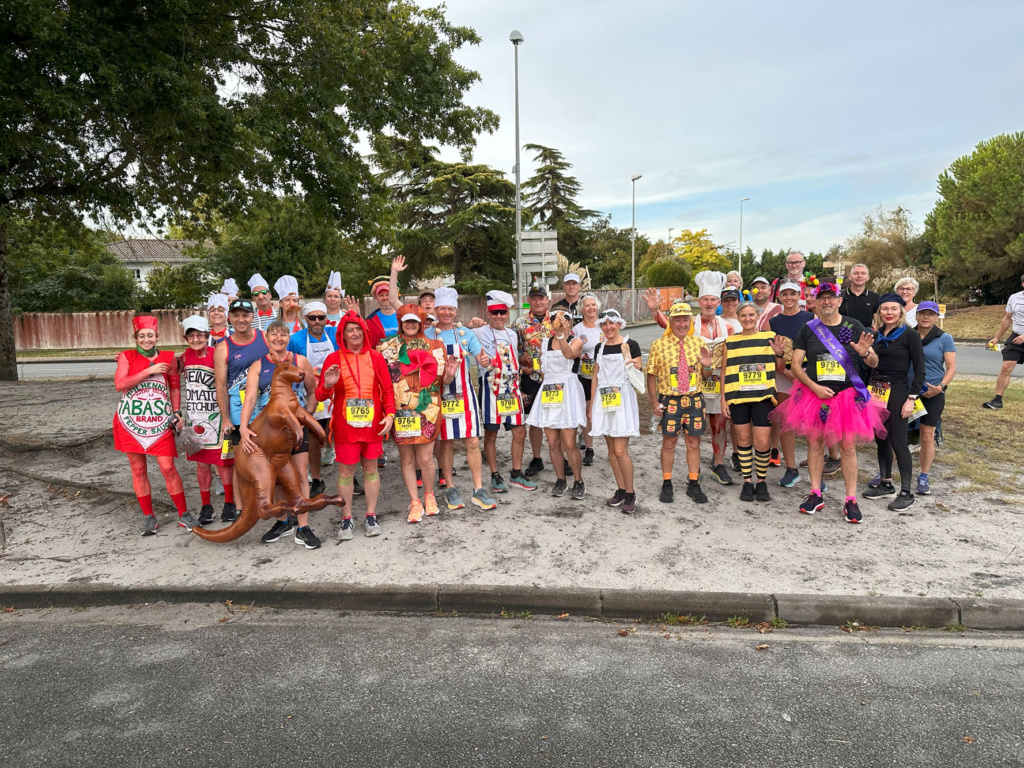
Beyond the finish line lies the pride of completing one of the world’s most unique marathons.
Medals will be awarded celebrating both the personal achievement and the collective joy of the event.
Records set here are as much about endurance as they are about participating in the marathon’s convivial spirit.
In true local fashion, every runner who crosses the finish line will also receive a French bottle of wine.
If you’d like to register for the marathon, Travelling Fit can help you secure guaranteed race entry.
You can book race entry and a range of Marathon du Medoc travel packages and tour options including:
Optional day tours & excursions:
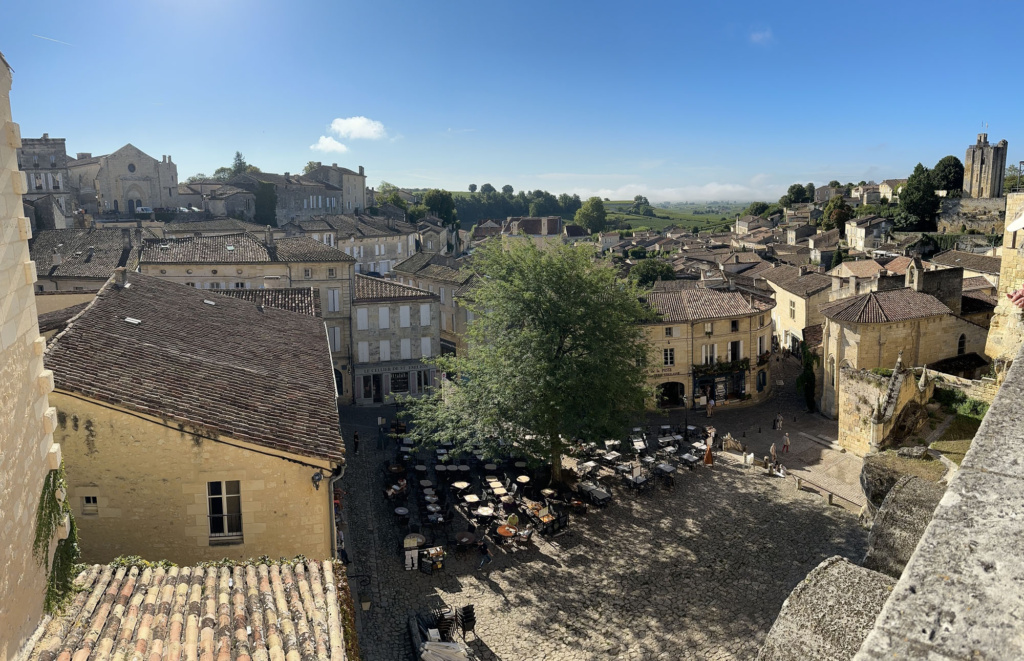
A medical certificate is a mandatory requirement for participation in the Marathon du Medoc, as is common with many French races.
This certificate must verify your fitness to compete in a marathon and needs to be signed by your General Practitioner (GP).
Travelling Fit provides guidance on the specific requirements for the medical certificate and can assist in navigating the process to ensure your documentation meets the necessary requirements for race entry.
The Marathon du Medoc is an event that celebrates more than just running; it’s a festival of wine, food, and the picturesque beauty of the Bordeaux region.
Preparing for this marathon means gearing up for a unique blend of physical endurance and sensory delights.
Training should focus not only on the stamina needed to comfortably complete the course but also on an openness to the festive atmosphere that defines the race.
Incorporate variety in your training to adapt to the marathon’s diverse demands, from long runs that simulate the distance to shorter, faster workouts that build speed and efficiency.
Given the wine-tasting opportunities along the route, consider practising runs that include stops, mimicking the race day experience.
Balancing your physical preparation with a mindset that embraces the celebration will enhance your overall experience.
Planning your trip to the Marathon du Medoc is an integral part of the experience.
The race takes place in the Bordeaux region of France, renowned for its vineyards and historic towns.
Travelling Fit offers comprehensive travel solutions that simplify the logistics of getting to the Marathon.
Whether you’re flying in from another continent or travelling locally, we provide detailed travel advice, including the best flight options, airport transfers, and local transportation to ensure a smooth journey to the starting line.
This is your invitation to join a festival that combines the endurance of marathon running with the pleasure of French wine and cuisine. Whether you’re a seasoned marathon runner or a wine enthusiast looking for a unique challenge, the Marathon du Medoc offers something for everyone.
Don’t miss the chance to be part of this extraordinary event. Secure your spot through one of our Marathon du Medoc travel packages, choose your costume, and prepare for an adventure that will delight your senses and challenge your spirit.
This renowned event, set in Iceland’s stunning capital, offers more than just a race – it’s a remarkable blend of scenic beauty, cultural immersion, and athletic challenge.
Held in August, the Reykjavik Marathon offers milder temperatures averaging 14.5 degrees Celsius making the run less physically demanding.
Whether you’re a seasoned marathoner or a first-time participant, this guide will provide you with all the essential information you need.
From the unique course details and elevation gains to the registration process and race day logistics, keep reading to learn everything you need to know about the Reykjavik Marathon.
2024 Date | August 24th, 2024 |
Total Participants | 1,000 |
Registration Cut Of Date | July 5th 2024 |
Required Qualifying Time | N/A |
Entrance to the race is around $175.
Travelling Fit is an official tour operator of the Reykjavik Marathon and offers a 7-Day / 6-Night package which includes a meet and greet dinner, a tour of Reykjavik City, a visit to the stunning South Coast and Glacial Lagoon, group lunches, dinners, gatherings and of course the Reykjavik Marathon or shorter distances.
Packages start from $ 3760 with a guaranteed entry to the Reykjavik Marathon. Check out our Marathon Package and Half Marathon Package to learn more.
Race Type | Distance |
Marathon | 42.2 km |
Half Marathon | 21.1 km |
10 K Race | 10 km |
Fun Run | 3 km |
The total elevation gain for the Reykjavik Marathon is 174m. While the course is generally run through relatively flat city streets, there are instances where runners will be required to run on tracks. The most challenging climbs occur during the 14th and 22nd km of the race.

The Reykjavik Marathon course offers a scenic route through Iceland’s picturesque capital, combining urban charm with natural beauty.
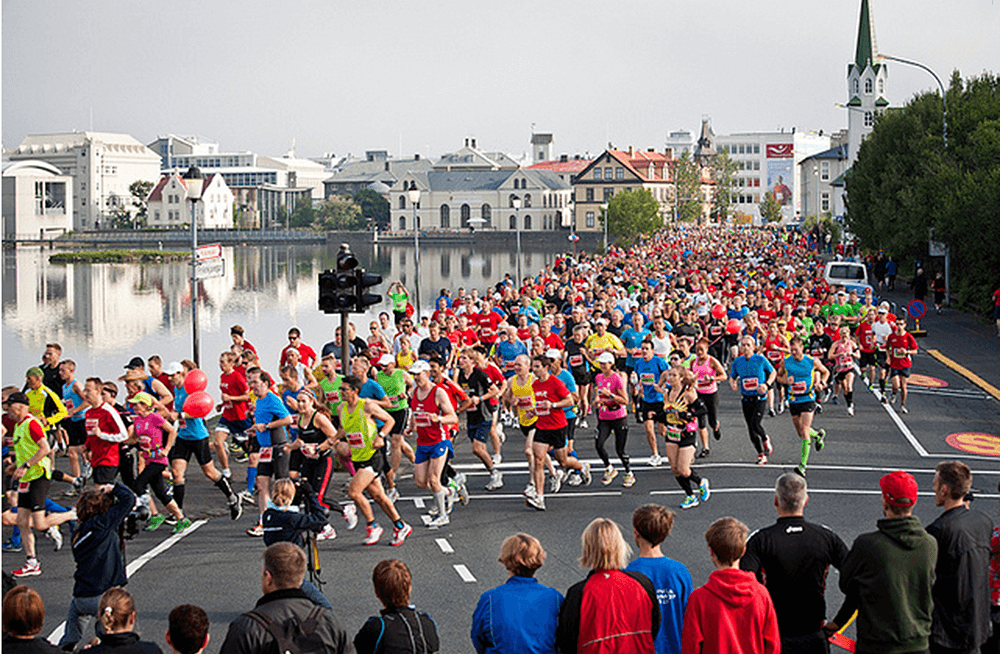
The race begins in the heart of Reykjavik, immersing runners in the vibrant atmosphere of this lively city.
From the bustling start line, participants weave through the city streets, absorbing the local culture and architecture.
The route then leads through charming streets, passing landmarks such as the historic Seltjarnarnes church, a symbol of Iceland’s cultural heritage.
As participants advance, they are greeted by the scenic beauty of the coastline along Sæbraut, with breathtaking views of the North Atlantic.
Participants run past iconic landmarks, including the Harpa Concert Hall and the Sun Voyager sculpture, a nod to the city’s artistic soul.
Runners experience varied terrains, from smooth city pavements to softer coastal trails.
Highlights include running alongside the serene Tjörnin, the city’s central pond, and through the lush greenery of Reykjavik’s parks, offering a refreshing contrast to the urban sections.
Nearing the end, the course circles back to the city centre, where the finish line is set against a backdrop of lively celebrations and enthusiastic crowds.
The route not only challenges the athletes but also takes them on a tour of Reykjavik’s most iconic spots, making the marathon a memorable journey through the heart of Iceland.
Check out the map below to see the route for the marathon.
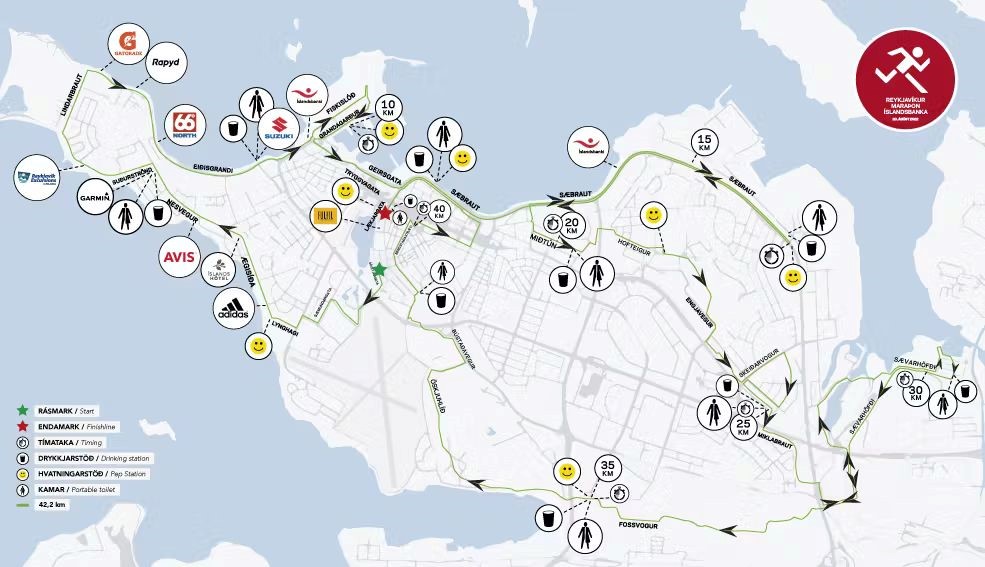
To support runners throughout the Reykjavik Marathon, a series of refreshment stations are placed along the route. These stations are located approximately every 4 to 5 kilometres, ensuring that participants have regular access to hydration and energy sources.
Hydration Options: Each station offers Gatorade and water, catering to the runners’ hydration needs and preferences.
Nutritional Support: For marathon runners, a selection of bananas and oranges is available at alternate stations in the latter half of the course, providing essential nutrients and a natural energy boost.
Station Locations: Specifically, these refreshment points are situated at the 5K, 10K, 15K, 20K, 25K, 30K, 35K, and 39K markers, as well as at the finish line. This distribution ensures that runners are well-supported throughout the entire marathon.
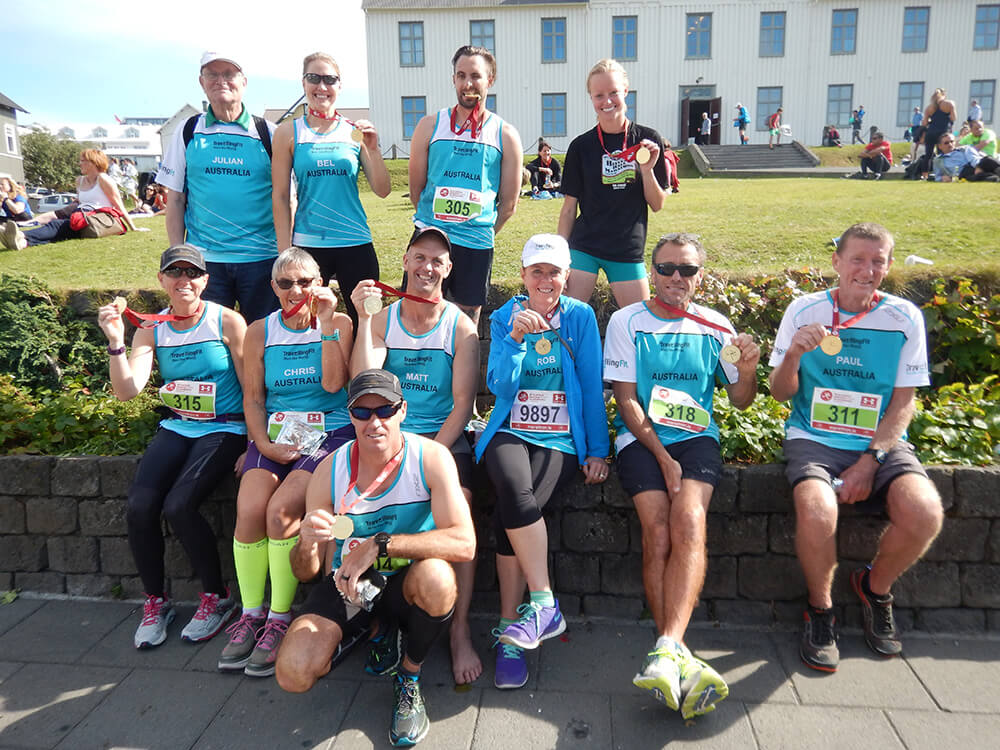
Every participant who crosses the finish line is awarded a medal. The design is specific to the Reykjavik Marathon. It reflects Icelandic culture making them a cherished keepsake for runners.
The top three male and female runners will receive a trophy and prize money paid out in Icelandic Krona (ISK).
Preparing for the Reykjavik Marathon involves specific training strategies to ensure you’re ready for its unique challenges. Here are some key training tips:
Train for the Weather: Reykjavik can be cool and windy. Train in similar weather conditions to acclimate your body and decide on the best race-day clothing.
Incorporate Hill Workouts: Given the moderate elevation gain of the Reykjavik Marathon, include hill running in your training to build strength and adapt to varied terrains.
Practice Pacing: Learn to pace yourself correctly to conserve energy throughout the race. Use long training runs to practice and perfect your pacing strategy.
Nutrition and Hydration Strategy: Develop a nutrition plan that fuels your long runs and recovery. Practice your hydration strategy during training to avoid dehydration on race day.
Remember, every runner is different, so it’s important to tailor your training plan to your personal needs, strengths, and weaknesses. Listen to your body and adjust your training accordingly.
Because of the unpredictable weather conditions, we advise that you wear layers that can be adjusted for cool and potentially windy conditions typical in Reykjavik.
For experienced runners, you might already have everything on the following list. For new runners however, we recommend the following for the Reykjavik Marathon:
Remember, it’s important to test and get comfortable with your gear during training, ensuring everything works well for you on race day.
If you’d like to register for the marathon or half marathon, Travelling Fit can help you secure guaranteed race entry.
You can book race entry and a range of travel packages and tour options via our Reykjavik Marathon and Reykjavik Half Marathon pages.
Our travel package options include:
Our Travel Packages:
Optional Day Tours & Excursions:
The Australian Outback Marathon is quickly becoming famous for the route’s unique blend of challenging yet captivating scenery.
With an awe-inspiring backdrop of Australia’s vast and stunningly beautiful red centre throughout the race, this event provides an unforgettable adventure in one of the world’s most unique landscapes.
Whether you’re a seasoned marathoner or a first-time participant, this guide is designed to provide you with all the essential information you need for a successful and enjoyable race experience.
From the unique course details and maps to the registration process and race day logistics, keep reading to learn everything you need to know about the Australian Outback Marathon.
2024 Date | July 27th, 2024 |
Total Participants | 400 |
Registration Cut Of Date | May 10th 2024 |
Required Qualifying Time | N/A |
There is no ‘entry only’ option for the Australian Outback Marathon.
Starting from $1,395 per runner, check out our Australian Outback Marathon travel packages to learn more about prices.
Race Type | Distance |
Full Marathon | 42.2 km |
Half Marathon | 21.1 km |
11 KM Fun Run | 11 km |
6 KM Fun Run | 6 km |
As the event is run on what was once an ancient sea bed, there is effectively no real elevation gain.
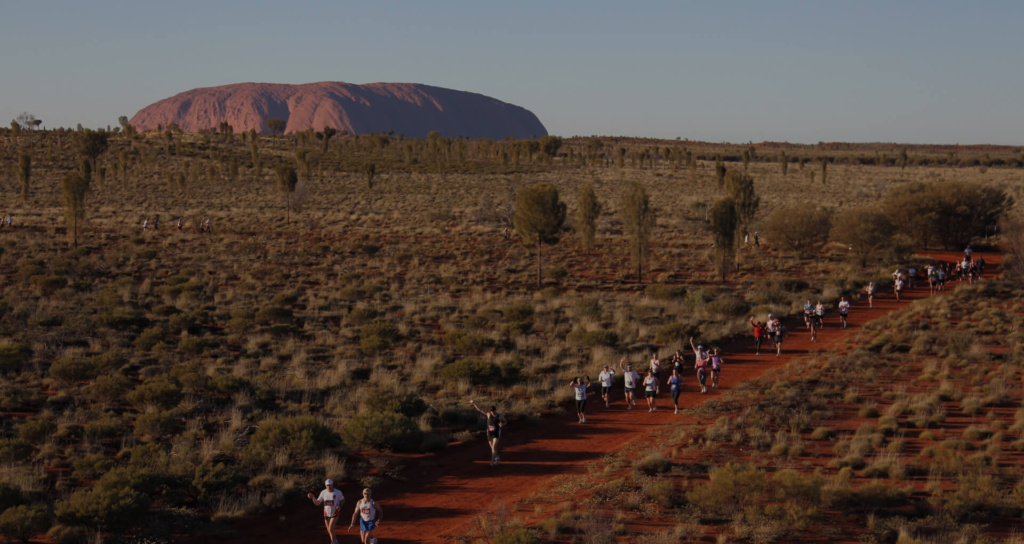
Set against the iconic backdrop of Uluru, the Australian Outback Marathon offers a running experience like no other.
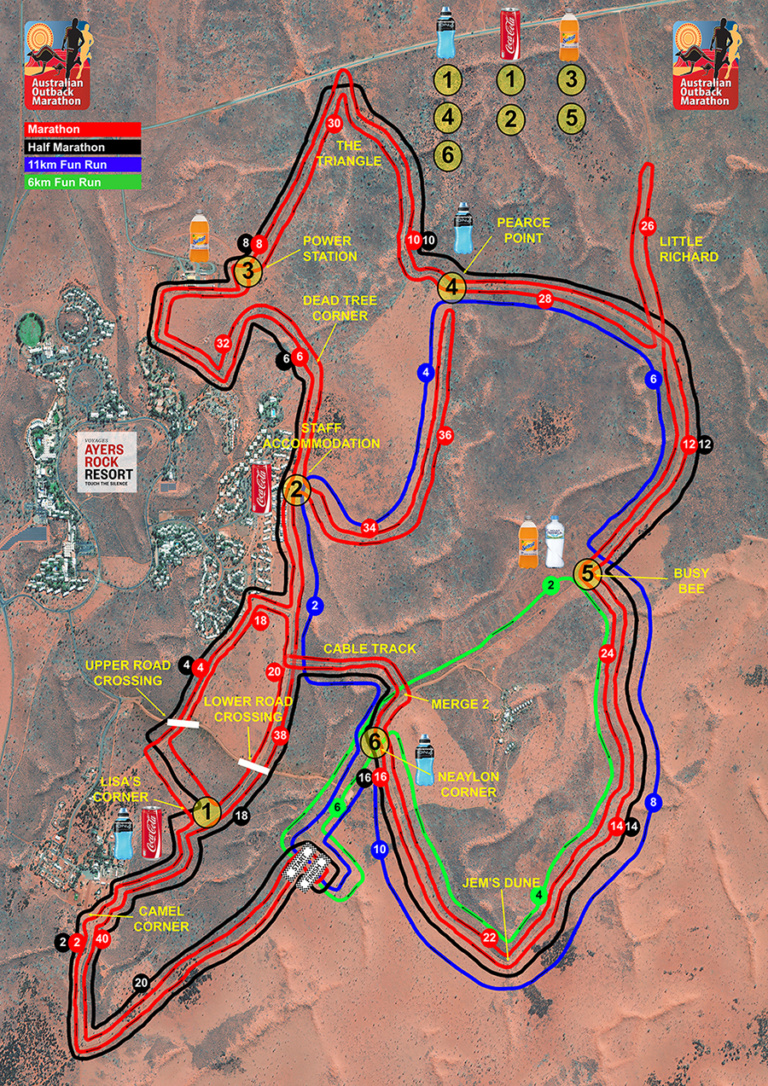
The race sets off on a 1.5km graded track towards the Camel Farm.
Around the 3km mark, runners reach the first of many strategically placed refreshment stations, a welcome sight in the expansive Outback.
As the course unfolds, you pass by the accommodation precinct for the Ayers Rock Resort personnel before majestic views of Kata Tjuta appear in front of you. This early part of the race combines the rustic charm of desert tracks with the unpredictability of unsealed and graded roads, providing a taste of the true Outback terrain.
Upon reaching the 8km mark, runners commence up a track we have named “the Triangle” due to its rough shape on the map, and it is at the end of the Triangle that the 42.2km and 21.1km runners meet up with the 11km fun run at a strategically placed drink station.
The race then takes a turn back towards Uluru, with a few small dunes sprinkled along the path. These gentle rises offer rewarding glimpses of Uluru, standing majestic against the vast Australian sky.
This part of the marathon is a showcase of the diverse Outback track conditions, offering an authentic Australian wilderness experience.
The course continues to Busy Bee corner, one of the few places on the course where all 4 distances run on the same track in the same direction. You will then follow a track that meanders around the back of the world-famous Longitude 131 resort before a 5km turnaround loop sees you running the remainder of the course in reverse.
The final kilometres of the course are straightforward, marked by a flat profile with occasional small inclines and sand dunes.
Each rise, though modest, presents a challenge but is rewarded with breathtaking views at the top, making the effort worthwhile.
Once you cross the finish line, congratulations — You’ve just completed a marathon through one of the most unique landscapes on Earth.
The combination of serene yet rugged Outback terrain and the inspiring views of Uluru and Kata Tjuta will create memories that will last you a lifetime!
Check out the map below to see the route for the marathon.
Refreshment stations are strategically placed about every 3 kilometres along the Marathon route for convenient access.
Runners also have the option to place their own drinks at specific stations on the course.
All personal beverages should be clearly marked and dropped off at the designated location during the race briefing on the Friday before the event.
Training for the Australian Outback Marathon requires specific training to properly prepare yourself for the unique terrain and conditions of the race.
Here are some training tips to help you prepare:
Adapt to the Climate: The Outback can be warm and dry but equally quite cold at night. Train in similar weather conditions to acclimate your body, especially if you’re not used to arid environments.
Terrain Training: Since the course includes a mix of graded tracks and unsealed roads, incorporate varied terrain in your training. Practice on trails and uneven surfaces to adapt to the course conditions.
Hydration Strategy: Develop a hydration plan suitable for dry conditions. Practice drinking on the run and consider training with the hydration gear you plan to use during the race.
Heat Adaptation Workouts: If you’re training in cooler climates, include some heat adaptation workouts, like running in the warmer part of the day or using a sauna.
Practice with Nutrition: Experiment with different types of energy gels and snacks during your long runs to find out what works best for your body.
Every runner is different, so it’s important to listen to your body and adjust your training plan as needed.
Being well-prepared will help you enjoy and successfully complete the Australian Outback Marathon.
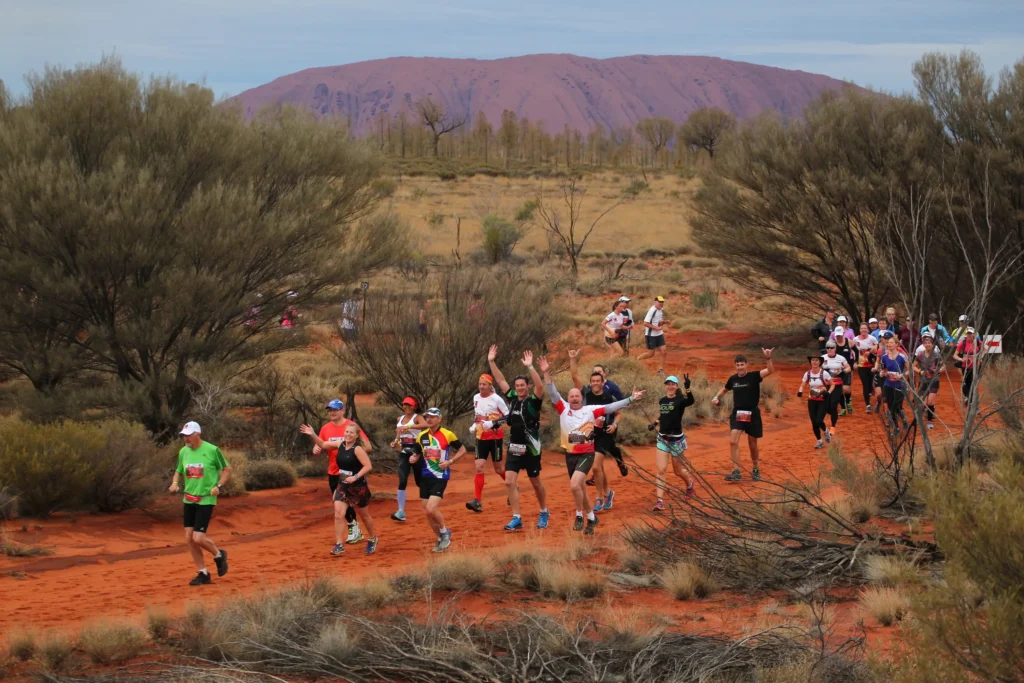
For the Australian Outback Marathon, selecting the right gear is crucial for both comfort and performance. Here are some specific gear recommendations:
Remember, it’s important to train with the gear you plan to use on race day to ensure everything works well and is comfortable for you.
The registration process for this race is straight forward and can be done via our Australian Outback Marathon or and Australian Outback Half Marathon pages depending on what race you want to participate in. Travelling Fit can help you with the registration for the race as well as finding a travel package that suits your budget and needs.
We offer 5 travel package options for the Australian Outback Marathon and Australian Outback Half Marathon including:
Important Notes:
Remember to bring something warm to wear on race morning that you can leave at the start/finish. If you are attending an evening function, a warm jacket is also a must.
The Great Wall Marathon and its 5,164 steps might just be the most historically significant race location in the world.
Taking place on the third Saturday in May, this marathon isn’t just a test of physical strength, it’s an adventure along one of the world’s most astonishing ancient wonders.
Whether you’re a seasoned marathoner or a passionate traveller seeking a unique challenge, this event promises an unforgettable experience.
If you’re thinking about tackling this famous race, keep reading to learn everything you need to know.
2024 Date | May 18 2024 |
Total Participants | 750 |
Registration Cut Of Date | 18 April 2024 |
Required Qualifying Time | none |
The entry fee for the Great Wall Marathon is incorporated into the price of the travel package you choose and cannot be purchased independently.
Starting from $2,595 per runner, check out our Great Wall Marathon travel packages to learn more about prices.
Race Type | Distance |
Full Marathon | 42.195 km |
Half Marathon | 21.1 km |
Fun Run | 8.5 km |
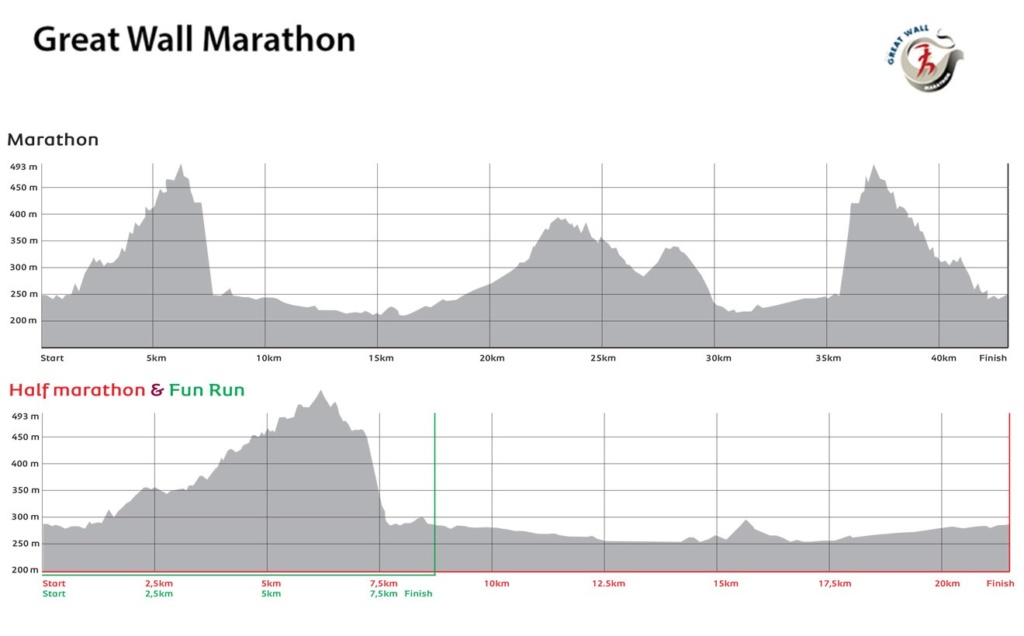
The two most substantial elevation gains during the Great Wall Marathon are both around 243 metres and occur during the first 7 km of the race and around for around 700 metres at the 36 km mark. Marathon runners also experience an elevation gain of around 200 metres from the 16 km – 23 km mark and around a 50-metre elevation gain during between the 27 km – 28 km portion of the race.
Check out the graph below for more information about the elevation gain and loss throughout the race for marathon, half-marathon and fun run.
Check out the map below to see the route for the marathon, half marathon and fun run.
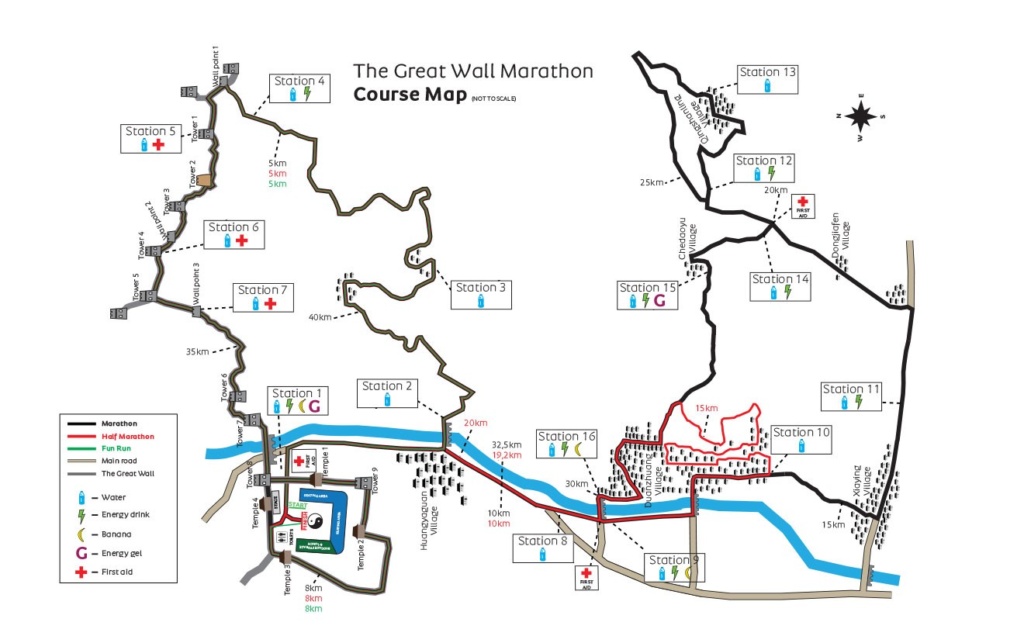
No matter what race type you choose, all runners complete the same 8.5km to start the race.
Commencing at Yin and Yang Square within the ancient Huangyaguan fortress.
Participants commence the race along Jinwei Highway, travelling south for the first kilometre.
The route then takes a turn onto Changcheng Highway, leading runners into a challenging 4 km ascent towards the entrance of the Great Wall. This uphill path tests endurance early in the race.
Upon reaching the 5 km mark, the course transforms as runners meet the iconic steps of the Great Wall. A captivating 3 km stretch on the wall itself includes a loop around the fortress walls, offering breathtaking views and a glimpse into China’s rich history.
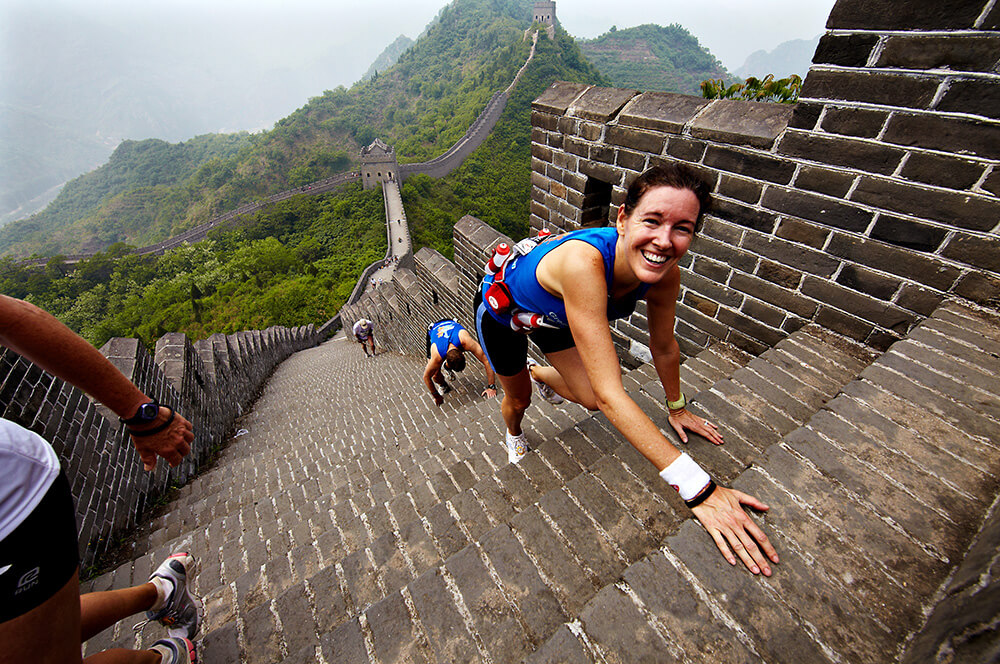
The course then introduces a dramatic change at the 7 km point with the ‘Goat Track’, a 700 m steep descent back towards Yin and Yang Square.
After rounding the fortress walls at the 8 km point, fun runners end their race in Yin and Yang Square while the half marathon and full marathon runners continue south towards Duanzhuang village.
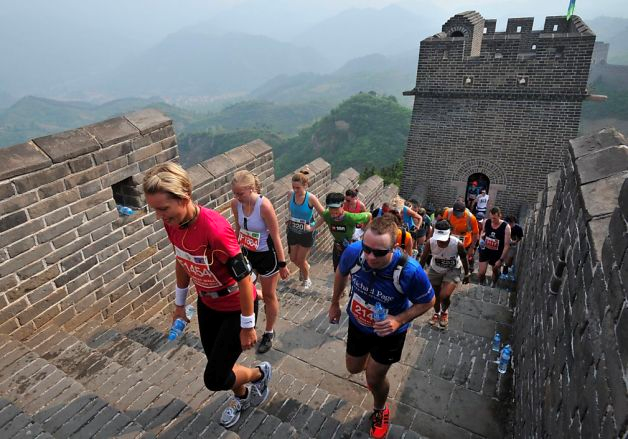
The next 4.5 km follows a picturesque route along the river towards Duanzhuang village. This stretch offers a scenic run, with views of the river and surrounding landscapes. It’s a chance for participants to appreciate the rural tranquillity of the region.
As they approach the 13km mark, the course takes the runners across the river. This is where the half-marathon runners and full-marathon runners route splits into 2.
Half-marathon runners turn left to complete a 4 km loop through Duanzhuang village while full marathon runners continue south towards Xiaying.
After the split at 13 km, marathon runners head south to Xiaying, transitioning from village energy to the tranquillity of the countryside.
At 16 km, the route exits Xiaying, leading east on Maying Highway towards Dongjiafen village. The landscape is dotted with traditional homes and local farms, providing a rich cultural experience.
As runners arrive at the 20 km mark, they commence a 6 km loop passing through the village of Qingshanling. This steep section is challenging, however, it offers a deeper insight into the local community and their way of life.
Exiting the loop at 26 km, runners face a challenging climb up to Chedaoyu village, testing endurance and strength. Once at the village, a steep descent begins back towards Duanzhuang village. Both the full-marathon and half-marathon participants reunite just before the village at the 29 km and 16 km marks respectively.
Once the half marathon and full marathon routes reunite, the runners cross a bridge back to Jinwei Highway. From there, they begin to run back towards Yin and Yang Square.
This is where half-marathon runners finish their race and head straight for the square. For marathon runners however, they turn right and begin to mentally prepare navigating the great wall portion of the run once more.
This time in reverse, runners start by ascending the ultra-steep ‘Goat Track’, before descending 5km down the Great Wall towards Yin and Yang Square where their finish line finally awaits.
Water stations are positioned approximately every 4 kilometres throughout the race. Along with water, select stations will also offer energy drinks and bananas. Each station supplies bottled water for runners.
For marathon runners, energy gels will be available at the 26km and 35km marks.
There are a variety of training and nutrition preparation strategies you can use to best prepare for the Great Wall Marathon. Some of these include:
Hill Training: Incorporate hill runs into your training regime. The Great Wall Marathon includes significant elevation changes.
Step Training: Regularly train on stairs or steep inclines. This will prepare you for the thousands of steps on the course.
Cross-Training: Engage in activities like cycling or swimming to improve overall fitness without over-stressing your running muscles.
Strength Training: Focus on leg strength and core stability. Exercises like squats, lunges, and planks are beneficial.
Practice with Gear: Train in the gear you plan to race in, especially your running shoes, to ensure comfort and prevent blisters.
Hydration Strategy: Learn to hydrate effectively during long runs. This is crucial for race day, considering the marathon’s length and climate.
Nutrition Plan: Experiment with different energy gels and foods during training to find what works best for you.
By following these training tips, you’ll be better prepared to tackle the unique challenges of the Great Wall Marathon.
For experienced runners, you might already have everything on the following list. For new runners however, we recommend the following for the Great Wall Marathon:
The registration process for the Great Wall Marathon is straightforward however you need to register through an approved travel partner. A reputable travel partner like Traveling Fit can help you find a travel package that suits your budget and needs.
We offer 2 exclusive and 2 budget travel packages for the Great Wall Marathon.
Exclusive Packages:
Budget Packages:
Important Notes:
Budget Packages 1 and 2 are NOT hosted by Travelling Fit but by local representatives with no dedicated Australian representation.
The Travelling Fit Exclusive Packages on the other hand, are organised by Travelling Fit, meaning we have more control of what goes on whilst in Beijing. It also gives you, the client, the opportunity to travel with other like-minded Australians travelling with us as part of a unique group.
For personalised Travelling Fit fully hosted tours (recommended) please refer to the Exclusive Travelling Fit Packages.
Check out our Marathon packages and Half Marathon packages to learn more!
And having a marathon mindset.
Written by: bianca drieberg, about that trip
Hey, good news! The new year is the perfect time to restart. We get to shake off the last year, even previous habits, and start fresh
For experienced runners, albeit potentially void of races in more recent times, it’s important to remember the long-term mindset that you have as a runner. Distance runners have this in spades.
42.2kms doesn’t come easily – neither does 10km, for that matter! And both types of runners know that their goal isn’t going to happen all at once. They need to break down their large goals into bite sized chunks. And it starts with training – for the burn in the legs. The increase in heart rate. It’s a practice! And one you can start today, even if you don’t have a race picked out for the year yet.
And here’s your reminder – you already have the mental endurance required for starting early and navigating whatever pops up. Arguably more so after the year that was. Here’s to tapping back into running for a reason that renews your motivation this year.
Think about what is most important to you right now and why.
Be honest with yourself because a good goal is one that will motivate you. Set a goal that you know you’ll pursue relentlessly because you want to. Also, make sure that your goal is personal, with an emotional connection that will help sustain you when the going gets tough. Because inevitably it will, but there’s always the glory of what’s on the other side of it.
Travelling Fit are delighted to announce that we are the official travel company for the great ocean road running festival.
Victoria’s iconic Great Ocean Road, a beautiful and unique area of Victoria, Australia on the Southern Ocean, is home to one of the world’s most visually spectacular running events, the Great Ocean Road Running Festival
Travelling Fit, as the Official Travel Partner for this amazing event, has been able to secure some of the very best accommodation for the event, right at the start line in beautiful Lorne. Our packages include your race entry so everything you need is taken care of.
You can check out the various options by clicking on the appropriate link at the bottom of this article
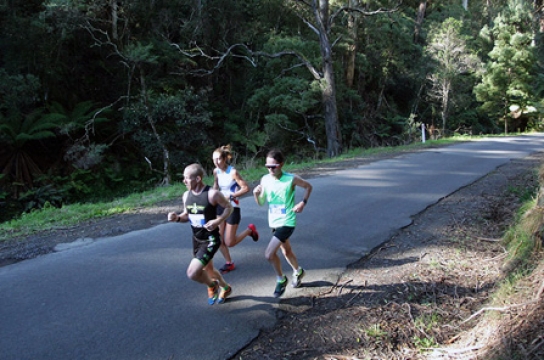
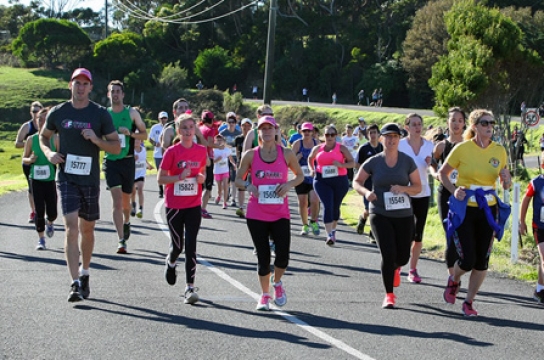
Each year that this event has been conducted, it has attracted many athletes from around the world, all eager to participate in this challenging and pristine environment.
The Great Ocean Road is an icon in Australia and is renowned throughout the world for its beauty and panoramic views of the Southern Ocean. It has a colourful history surrounding its construction and ultimate destinations along the coastline.
Anyone travelling along this road by car would not be able to experience the absolute serenity and at times the wilderness experience that you as a runner can. As you run along this course, with no traffic at all, you can almost hear the waves calling your name.
The only sound you will hear is the soft thud of footsteps from your fellow competitors.
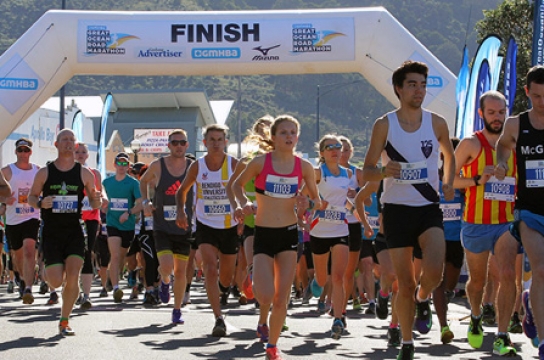
Starting in Lorne, a seaside town on Louttit Bay in Victoria, the Marathon course winds its way along the Great Ocean Road to the finishing line in Apollo Bay.
With 7 different events to choose from, there is definitely something for everyone
60km Ultra Marathon
44km Marathon
23km Half Marathon
14km Paradise Run
6km Fun Run
1.5km Kids Gallop
Great Ocean Road Walk
Sign up to join our Priority Notification List to be one of the first to receive up-to-date race information and packages details about a specific event/s you are interested in.

Select your desired option below to share a direct link to this page.
Your friends or family will thank you later.